
The Gospel According to Bench #3
Raised by Gym Mythology

Listen on Spotify
I am honestly a little surprised my generation survived adolescence.
We drank raw eggs because Sylvester Stallone did it in Rocky. We swallowed liver tablets the size of roofing shingles because Jack LaLanne and Joe Weider said they built champions. We mixed wheat germ into shakes that tasted like wet drywall and sand.
None of us knew what we were doing.
And yet somehow, we absolutely believed we did.
Back then, fitness wasn’t science. Fitness was mythology.
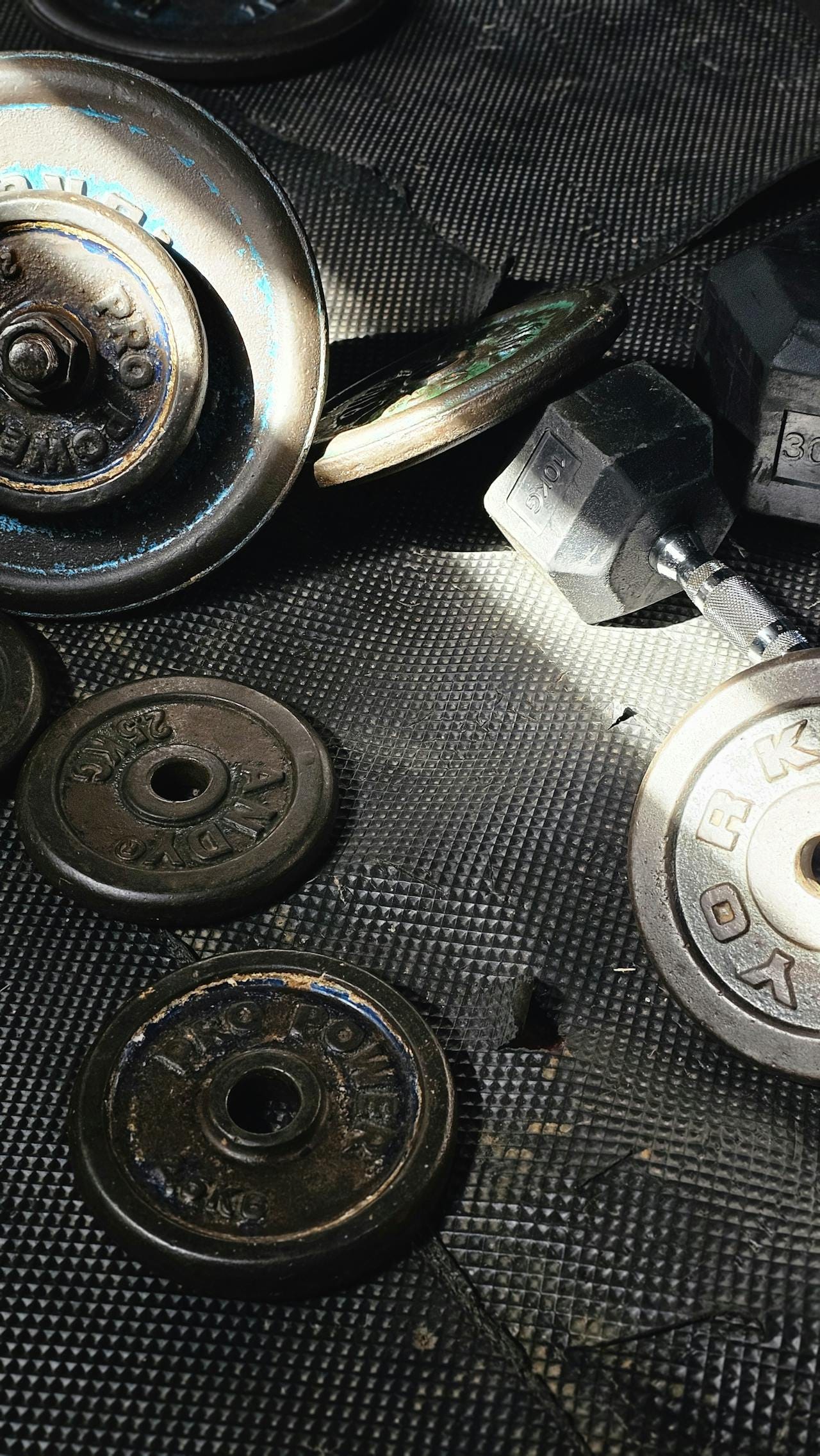
The old, let’s call it, Mario’s Gym, had cement floors, cinder block walls, and exactly two showers, both of which produced water just slightly warmer than an Arctic stream in February. The benches looked like they had been welded together after a minor industrial accident. There was always at least one retired giant sitting on Bench #3, whose name may have been Sal or Vinny, delivering unsolicited wisdom between sets.
He never seemed to actually work out. He simply existed there. Like a retired warlord guarding sacred knowledge. If you were lucky, he spoke to you. If you were unlucky, he noticed your routine.
“You call that heavy? My grandmother could do better and she died in ‘Nam saving an orphanage.” I was never sure if that were true or not.
Every gym had a Sal or Vinny.
He had forearms like bridge cables and stories that began with: “Back when Arnold came through…”
Whether Arnold had actually come through remained unclear.
What mattered was that we believed it.
This was before YouTube fitness channels. Before sleep tracking. Before “macros.” Before a smartwatch could notify you that your recovery metrics suggested you should perhaps not deadlift your own vehicle today.
Back then, information traveled through rumor.
You learned from muscle magazines, locker rooms, movies, and men named Rick selling supplements from the back of a Camaro.
Especially Rick.
Looking back, it’s astonishing how much trust we placed in a man whose business model appeared to consist entirely of a gym bag and confident eye contact.
The supplements themselves felt less like nutrition and more like a dare.
Protein came in tablets instead of powder. The consistency landed somewhere between Tums and drywall. Liver pills smelled faintly of road kill. Every product promised MASS, POWER, and EXPLOSIVE GROWTH in giant red letters beside photos of men who looked capable of bench pressing a ‘72 Oldsmobile Delta 88 hardtop sedan.
But, underneath all the ridiculousness was something sincere.
Men were trying to become better versions of themselves.
Stronger. More confident. More capable. Harder to push around by life.
That part tends to get lost now whenever people talk about old-school gym culture. The jokes are easy. The nutrition science was frequently somewhere between “raw eggs can’t hurt you” and “felony adjacent.” Half the advice sounded like it had been passed down from medieval alchemists.
But there was also community.
The gym was one of the few places where generations of men regularly mixed together. Teenagers lifted beside factory workers, ex-marines, truck drivers, and retired beasts who spoke entirely in max bench numbers and shoulder injuries.
You learned things there.
Not merely how to lift.
How to carry yourself. How to keep showing up. How to survive embarrassment. How to fail publicly without collapsing into dust. How to help somebody get one more rep without turning it into a motivational podcast.
Nobody called it mentorship.
It was just the culture.
Modern self-improvement feels different.
Now it arrives through algorithms. Productivity systems. Morning routines involving ice baths, twelve supplements, and a man on a podcast explaining masculinity into a $400 microphone.
Everything is optimized. Quantified. Tracked.
My generation’s version was:
“Sal says squats build character.”
And weirdly, I think Sal may have been onto something.
Because what those old gyms really sold wasn’t muscle.
It was transformation.
Not the glossy Instagram version. Not six-pack abs on a beach beside a caption about “grindset.”
Something rougher than that.
The belief that effort mattered.
The belief that you could build yourself into someone stronger than you were yesterday.
Even if the path there occasionally involved swallowing liver tablets that tasted like a curse.
If you’ve been reading along and enjoying these essays, consider upgrading to a paid subscription. No pressure—it just helps keep the essays showing up each week.
Tony
(Photo Credit: Shammah Njomo: https://www.pexels.com/photo/vintage-weight-plates-and-dumbbells-in-gym-setting-35651163/)